Home / Strategy
Strategy limitsInstantPlay rummy update: confirmed limits versus guesswork
A first drop is a number. 'It might come' is not. Write the cheaper exit before the deal.
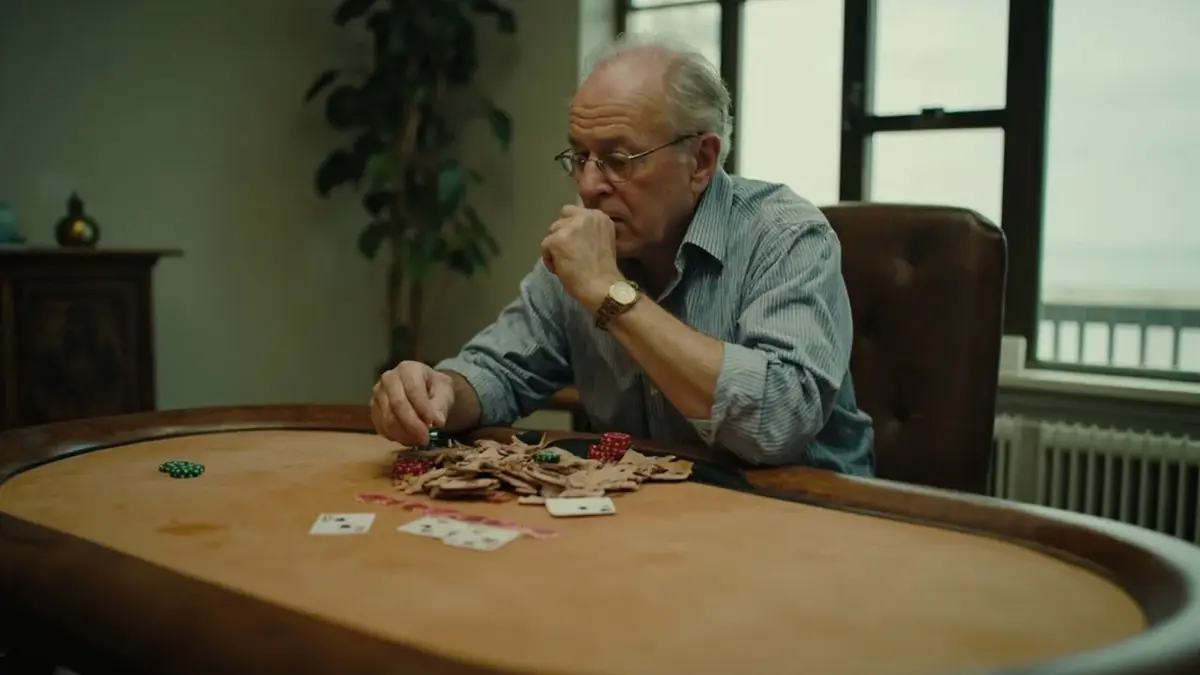
First drop versus middle drop is the named constraint
Many 13-card Points rooms still print a cheaper first drop and a heavier middle drop. Those figures are common printed rules, not InstantPlay house facts, until the seat shows them. The strategy limit is simple: if the pure sequence is not close, take the cheaper printed exit.
Guesswork starts when a player stays "because it might come". That sentence has no number in it. A limit needs a number.
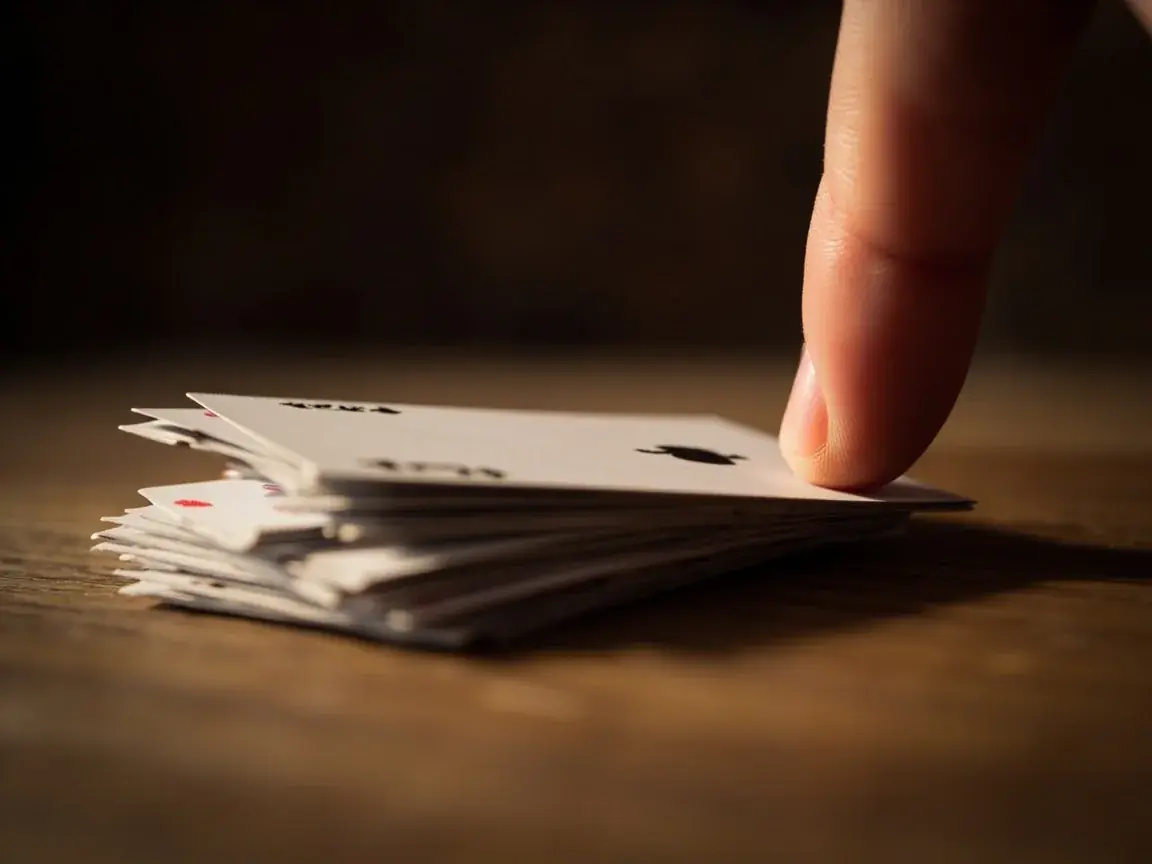
Read the discard. Do not decorate it.
If three hearts have already died and you still hold a broken hearts run, the sequence is not arriving. Throw the high heart. Keeping it is not optimism. It is unpaid rent.
Taking a discard that completes a set but wrecks the first life is a common InstantPlay leak. The first life still has to exist.
Joker banking has a job, then it stops
Hold a wild to finish the second life after the pure sequence exists. Do not hold it as a mascot. A third sequence is a luxury. Most losing hands that "almost made it" spent the wild too late.
Write a deadwood cap before the deal
Example used only as a worksheet: if a middle drop prints at 40, a personal cap of 32 unmatched points is a stop, not a vibe. InstantPlay may print other rows. Copy the printed row, then sit under it.
Figures used here for illustration only. Verify with the table at the time of reading.
When not to chase a third sequence
If both lives exist and the remaining cards are high, throw them. A third sequence that needs two perfect draws is entertainment, not a plan. The table does not pay for elegance.
Pick the seat the way you pick the discard
A louder lobby is not a better seat. Format chip, unit, and your remaining session time decide. If those three disagree, sit out. Format notes and session caps are the pair.
Unknown without InstantPlay's published house sheet: exact drop rows, wild count, declare confirmation steps, and any "extra life" house variant. This desk will not invent them.
Limits that survive a bad twenty minutes
A strategy that only works when cards arrive is a mood. Write three limits that still work when nothing arrives: a first-drop rule, a deadwood number, and a session minute count. InstantPlay cannot see that paper. That is the point.
Joker banking fails when the wild becomes identity. If you have not used the wild by the time the middle-drop window opens and you still have no second life, the wild is not a plan. It is a souvenir. Throw the highest other card and keep the wild only if the second life is one card away.
Discard reading is subtraction. Count how many cards of a suit are already dead. If four hearts are gone and you hold 7H 9H, you are not "close". You are paying rent on a broken run. The public pile told you. Listen.
Table selection is the first limit. A louder InstantPlay lobby is not a better expected value. Expected value is the wrong phrase here anyway: the honest phrase is expected cost. Pick the seat whose printed cost you can name.
Third-sequence chasing is how winning-looking hands become middle-drop stories. If both lives exist, throw high leftovers. Beauty is not a scoring row on any printed Indian sheet this desk has read.
Unknown InstantPlay house variants stay unknown. If a friend describes a special table, ask for a screenshot with a date. Without that, your limits stay on the common printed sheet and on your paper.
Limits written as sentences you can refuse to edit
Sentence one: I take the first printed drop if I have no pure sequence after my second turn. Not after I "see the table". After the second turn. InstantPlay turn timers vary. The count of your own turns does not.
Sentence two: I throw any unsuited picture that is not part of a live first-life attempt. Pictures feel valuable because they look painted. Printed sheets do not pay extra for paint.
Sentence three: I do not join a second InstantPlay format after a loss. Format change is not a limit. It is a reset fantasy.
Sentence four: I stop when the kitchen timer rings even if I am "one card away". One card away is the most expensive phrase in the room. It has no printed row.
These four sentences are more useful than a chart of "optimal discards" copied from a stranger. Optimal charts assume a house sheet this desk has not seen. Sentences assume you can count to two and hear a timer.
Joker banking, restated without romance: the wild finishes the second life after the first life exists. If that job is not available, the wild can reduce deadwood in a set. It does not exist to complete a third sequence that would look good in a photograph.
Seat choice restated: a quiet InstantPlay Points seat with a printed unit beats a noisy Pool lobby whose line you have not read. Noise is not information. The chip is information.
If a friend offers a "system" involving even-money recoveries, close the chat. Systems that recover losses are how people break caps. This desk will not host one. The 2025 statute exists in part because those systems scaled.
A week of limits is better than a night of charts
Write the four sentences on Monday. Play, or do not play, under them until Sunday. Do not edit a sentence after a loss. Editing after a loss is how limits become diaries. InstantPlay marketing will not help you keep a week. A folded paper in a wallet will. If you cannot keep a week, shrink the minutes until a week is possible. Strategy that cannot survive seven days is not strategy. It is a mood that learned some card words.
When InstantPlay finally prints a house sheet, add a fifth sentence that quotes a dated row. Until that sheet exists, four sentences are the entire system. Anyone offering a fifth sentence about guaranteed recoveries is selling a sequel. Refuse it.
One week, four sentences, no edits after dusk
Keep the four limit sentences in a wallet. If InstantPlay prints a house sheet mid-week, add a quoted fifth sentence with the date. Do not replace a sentence because Thursday went badly. Replacement is how a week becomes a mood again. If a friend forwards a recovery chart, delete the chart. Charts that heal losses are sequel machines. This desk will not host one, and your wallet paper should not host one either.
Seat choice on Saturday should still use Monday's format name. Changing format to feel new is the same leak as raising a rupee cap. Name the leak if you do it. Naming is the only cheap repair.
Answers that belong on this topic
Is there a guaranteed InstantPlay system?
No. Anyone selling one is selling fiction.
What is a deadwood cap in practice?
A personal number where you drop instead of hoping. It must sit under the printed drop row.
Should jokers be saved for a third sequence?
Usually no. Bank them for the second life first.
What remains unknown without a house sheet?
Exact InstantPlay drop rows, wild counts, and any table-specific declare buttons.
Where does a losing session stop?
At the cap you wrote before the first hand. See responsible play.
18+ only. Common printed rummy figures are teaching rows, not InstantPlay house facts, unless the table prints them. The Promotion and Regulation of Online Gaming Act, 2025 restricts online money games. This desk invents no licence, bonus, or payout clock.